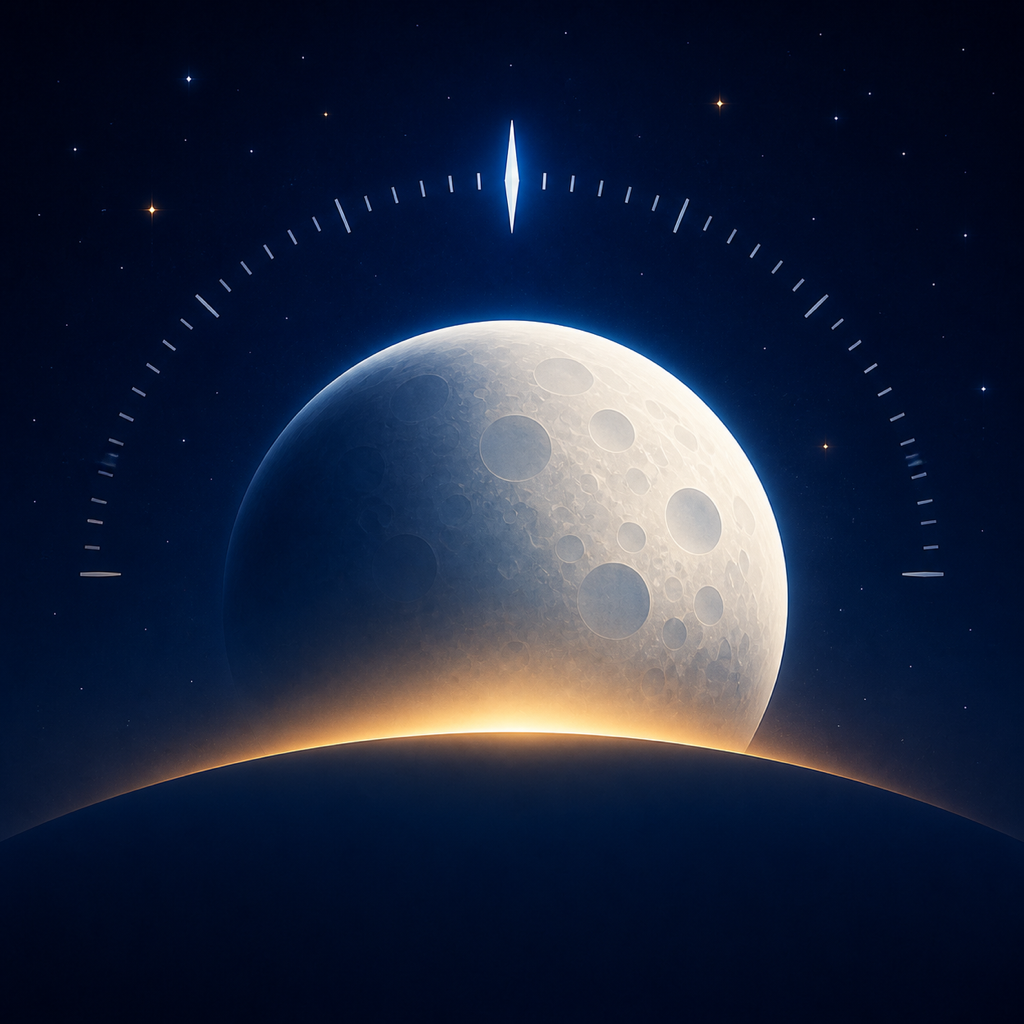
partial lunar eclipse
Partial lunar eclipseJuly 6, 2028
A visible section of the Moon crosses Earth's dark umbral shadow.
Local time and visibility at maximum eclipse.
Times show the estimated maximum in each city's local time zone. Visibility includes the Moon's upper edge and atmospheric refraction over an unobstructed horizon; altitude measures the Moon's center.
| City | Local maximum | Moon altitude |
|---|---|---|
| SingaporeSingapore | Above horizon60° up | |
| Kuala LumpurMalaysia | Above horizon59° up | |
| ParisFrance | Below horizon14° below | |
| TokyoJapan | Above horizon12° up | |
| DelhiIndia | Above horizon37° up | |
| SeoulSouth Korea | Above horizon17° up | |
| TehranIran | Above horizon22° up | |
| MelbourneAustralia | Above horizon38° up | |
| LondonUnited Kingdom | Below horizon16° below | |
| SydneyAustralia | Above horizon32° up |
What you’ll see.
During a partial eclipse, only part of the Moon enters Earth’s dark umbral shadow, creating a distinct curved edge across the lunar surface.
An eclipse is only observable when the Moon is above your local horizon. The exact date may differ by one day from UTC depending on your time zone.
Check your city.
Prediction data: NASA Goddard lunar eclipse catalog. Maximum times are estimates and may shift slightly. Local horizon positions are calculated independently by Moonrise Moment.
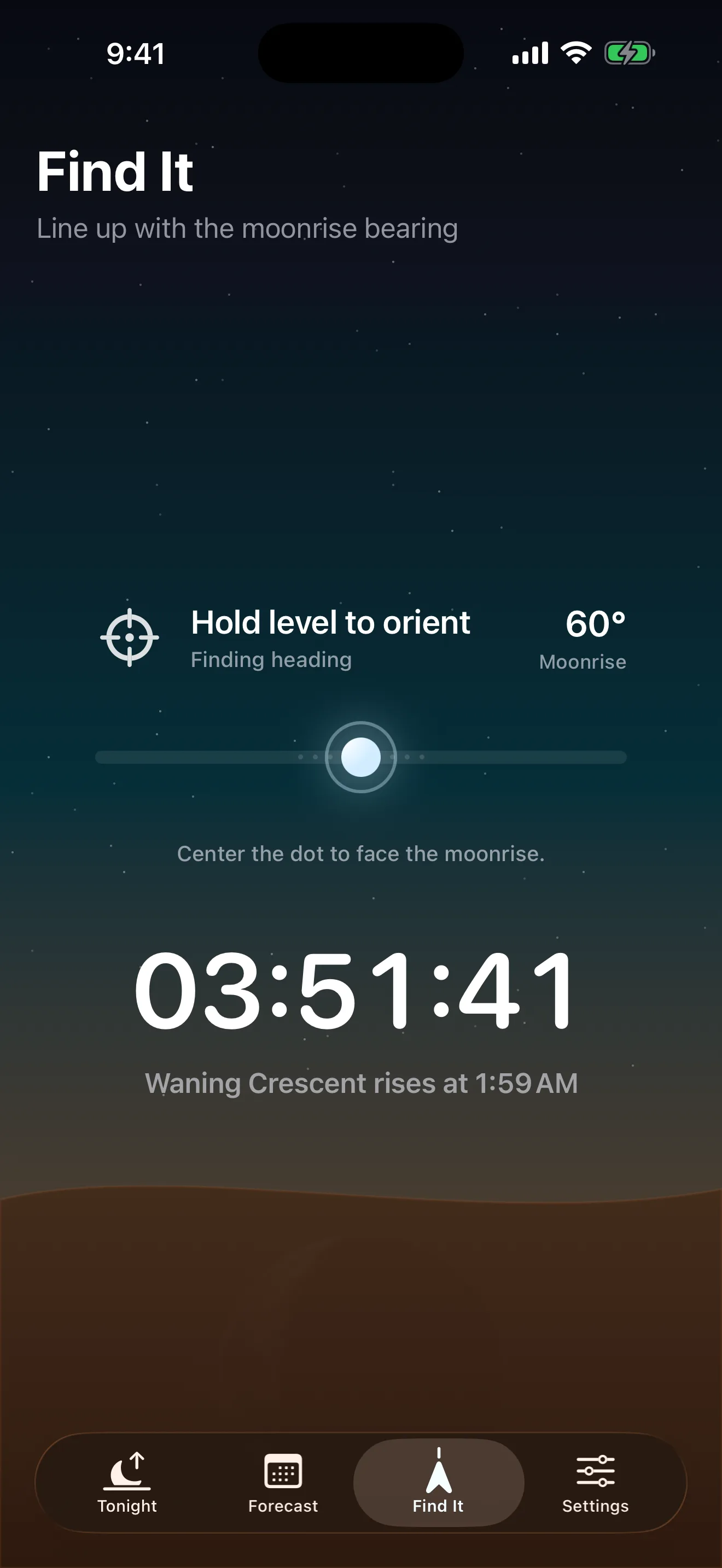
Know where to look when you head outside.
Get local moonrise times, compass guidance, and optional reminders in Moonrise Moment.
Free for iPhone, iPad, and Android. No account needed.
