A blood moon is a total lunar eclipse
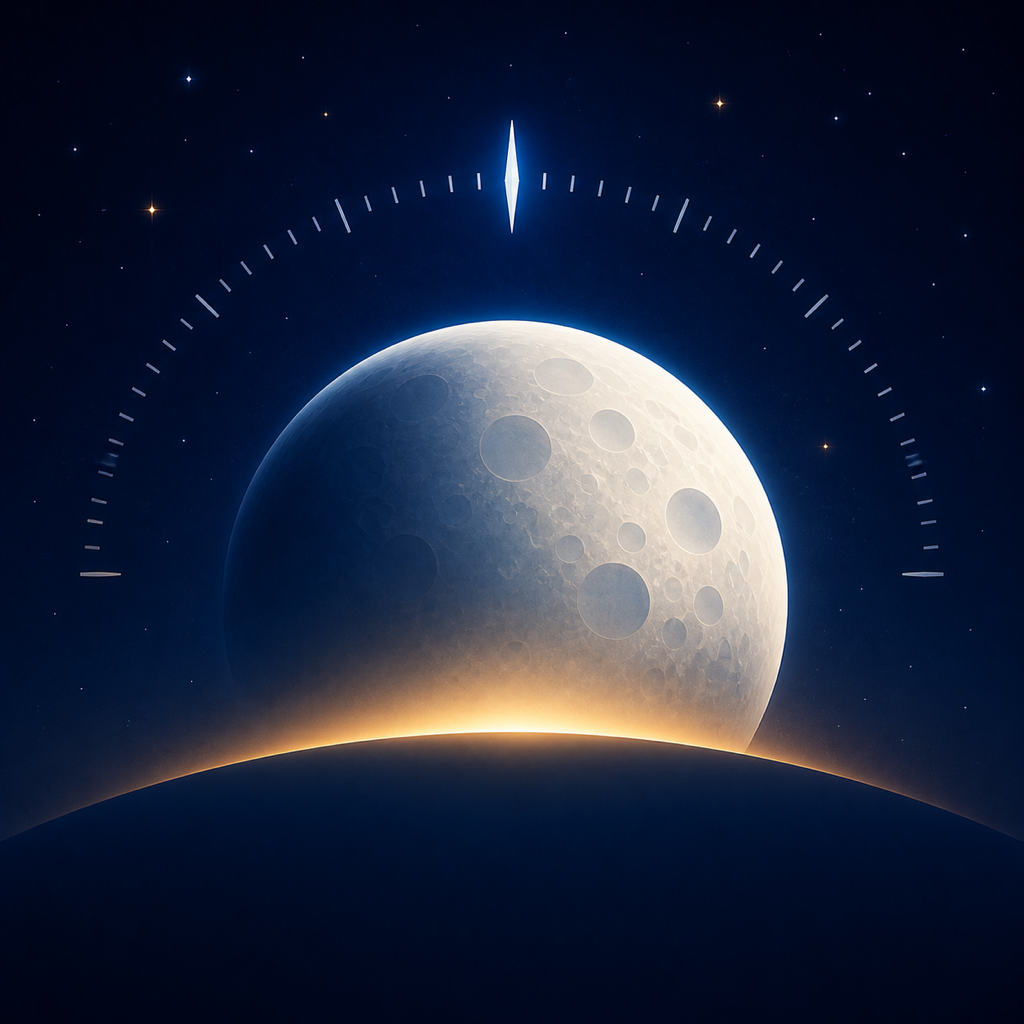
“Blood moon” is a popular name, not a separate astronomical event. It describes the copper, orange, or red appearance the Moon can take on during a total lunar eclipse. Totality begins when the entire visible lunar disk moves inside Earth’s dark central shadow, called the umbra.
The Moon does not make its own light. Ordinarily it reflects direct sunlight. During totality, Earth blocks that direct path, but some sunlight passes through the edge of our atmosphere before reaching the Moon. Air scatters shorter blue wavelengths more efficiently and bends the remaining redder light into Earth’s shadow. In a sense, the eclipsed Moon is lit by the combined red light of sunrises and sunsets around Earth.
Is every blood moon bright red?
No. Its color can range from dull brown to vivid orange-red. Clouds, volcanic dust, wildfire smoke, and other material in Earth’s atmosphere affect how much filtered light reaches the lunar surface. The Moon’s path through the umbra matters too: a deep central eclipse is usually darker than one that passes close to the shadow’s edge.
How to watch safely
Unlike a solar eclipse, a lunar eclipse is safe to view directly throughout every phase. No eclipse glasses are required. Your eyes, binoculars, and ordinary telescopes are all appropriate. The main question is local visibility: the Moon must be above your horizon while the eclipse is underway. Check the local event time, then choose a place with an open view and allow your eyes time to adjust.